
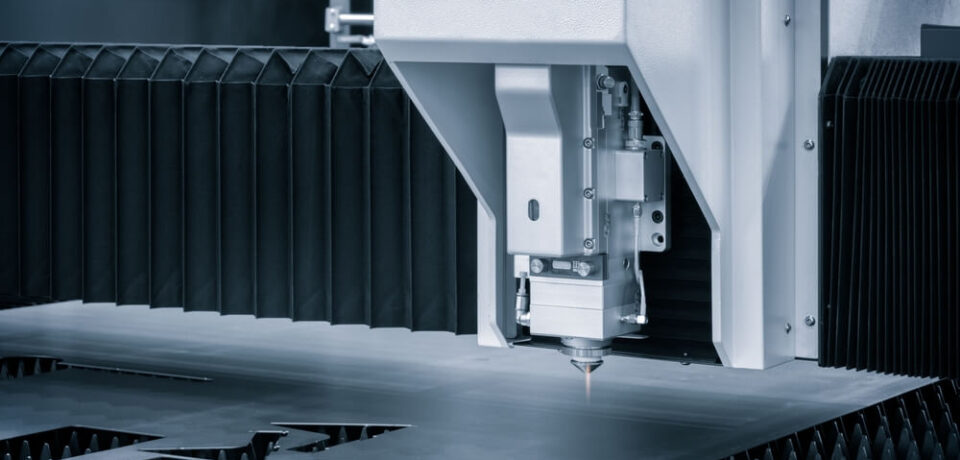
If parts coming off your laser cutting machine have started drifting slightly out of tolerance — edges that used to be clean now show minor burrs, or dimensions that don’t quite match the drawing — it’s rarely the machine’s core technology at fault. In most Indian fabrication shops, accuracy loss creeps in gradually, through worn consumables, missed maintenance, or small process settings that were never revisited after installation.
Here’s what actually affects cutting accuracy day-to-day, and the practical steps that keep your machine performing the way it did on day one.
What "Accuracy" Actually Means on the Shop Floor
Laser cutting accuracy isn’t a single number — it’s a combination of:
- Dimensional accuracy — how closely the finished part matches the design
- Repeat accuracy — whether the machine cuts the same part the same way, run after run
- Edge and contour quality — how clean the corners, curves, and edges come out
A machine can cut a perfect first batch and then slowly drift out of spec over weeks of use if these factors aren’t monitored.
The Most Common (and Most Overlooked) Cause: Worn Consumables
This is the factor that catches most workshops off guard. The nozzle and ceramic ring on your cutting head are wear parts — they’re in the direct line of heat, spatter, and debris during every single cut. As they wear:
- The nozzle opening loses its precise shape, which disturbs the assist gas flow around the beam
- A worn or off-centre ceramic ring throws off the coaxiality between the laser beam and the nozzle
- Both together cause inconsistent kerf width, more dross on the underside, and rougher edges
The fix is simple but often ignored: inspect nozzles and ceramic rings regularly, and replace them with genuine parts as soon as wear is visible — not after quality has already started slipping. Using non-genuine or mismatched consumables is one of the fastest ways to lose consistency on an otherwise well-built machine, and it’s a false economy — a cheap nozzle that throws off five jobs costs far more than the part itself.
Other Factors That Affect Precision
1. Focus and Height Control — If the cutting head isn’t maintaining the correct distance from the material surface, edge quality drops immediately — especially on sheets with slight warping or unevenness. Auto height sensing and regular focus calibration checks help keep this consistent.
2. Optical Path Cleanliness — Dust, spatter residue, or a smudge on the focusing lens can quietly degrade beam quality without any obvious warning sign. A quick visual and cleaning check as part of a daily or weekly routine catches this before it affects a full production run.
3. Machine Alignment and Mechanical Wear — Guide rails, transmission components, and structural alignment can shift slightly over months of heavy use, especially in workshops running multiple shifts. Periodic mechanical calibration prevents accuracy from drifting without anyone noticing until parts start failing inspection.
4. Cutting Parameters for the Job at Hand — Speed, power, and assist gas settings that worked well for one material and thickness aren’t automatically right for another. Reusing the same parameters across different jobs without adjustment is a common, avoidable source of dimensional inconsistency.
5. Environment — Temperature swings, floor vibration from nearby heavy machinery, and dust in the air all play a role. Shops with more stable, cleaner working conditions consistently report fewer accuracy complaints.
A Simple Maintenance Routine That Actually Works
- Daily — visual check of nozzle condition and lens cleanliness
- Weekly — clean optical path, check gas pressure and flow
- Monthly — inspect ceramic ring and nozzle wear, replace if needed
- Quarterly — mechanical calibration check (alignment, positioning accuracy)
Sticking to a schedule like this catches small issues before they turn into rejected parts and lost production time.
Why Genuine Spares Matter More Than People Think
It’s tempting to save a little on consumables, especially when a job is running behind schedule. But nozzles, ceramic rings, and lenses that aren’t built to the machine’s exact tolerances rarely perform consistently — and inconsistent performance is exactly what accuracy problems look like. Sourcing genuine parts, and having a supplier who can get them to you quickly, is one of the simplest ways to protect the accuracy you paid for when you bought the machine.
fundamental capability. A steady inspection routine, genuine replacement parts, and periodic calibration checks will keep your machine cutting to spec for years — protecting both your production quality and your bottom line.
KG LaserTech supplies genuine nozzles, ceramic rings, and consumables for fiber laser cutting machines, along with preventive maintenance and AMC services to keep your machine running at its best. Reach out to our team for a maintenance check or genuine spare parts support.
How to Choose the Right Fiber Laser Cutting Machine for Your Sheet Metal Business
- kgladmin
- August 14, 2026
Handheld Laser Welding Machines: Why More Indian Workshops Are Switching in 2026
- kgladmin
- August 14, 2026